If you’re ready for brighter, smoother, more luminous skin, a chemical peel can be a smart next step. These skin care treatments are an effective way to refine your complexion and give your skin the fresh start it deserves.
At Farrell Laser & Aesthetic Medicine Center in Mechanicsburg, Pennsylvania, you’ll receive care from Dr. Deborah M. Farrell’s experienced team. Dr. Farrell is a trusted Laser and Cosmetic Medicine physician and Fellow of the American Society of Laser Medicine and Surgery. Under her guidance, our esthetician and registered nurse carry out chemical peels in a quiet, welcoming setting focused on your comfort.
What Is a Chemical Peel?
A chemical peel is a professional skin treatment that uses a carefully formulated solution to exfoliate and remove the outer layers of dead or damaged skin. This controlled peeling process stimulates cell turnover and encourages the growth of new, healthier skin.
Chemical peels come in various strengths—light, medium, and deep—and can be tailored to treat specific skin concerns. Depending on your needs, your provider may recommend a peel that targets surface imperfections or one that penetrates deeper for more intensive results.
Many patients notice brighter, smoother, more even-toned skin after just one treatment, with ongoing improvement over time.
What Concerns Can Chemical Peels Help Address?
Chemical peels can target a wide range of skin concerns. Based on the type and strength of the peel, they can be customized to suit different skin types—including sensitive or damaged skin. Common concerns that chemical peels can help improve include:
- Dull or uneven complexion: Boosts skin brightness and overall tone
- Fine lines and wrinkles: Helps soften the appearance of aging skin
- Enlarged pores: Minimizes pore size for a smoother surface
- Uneven pigmentation: Reduces sun spots, melasma, and blotchy areas
- Acne and breakouts: Clears clogged pores and calms active blemishes
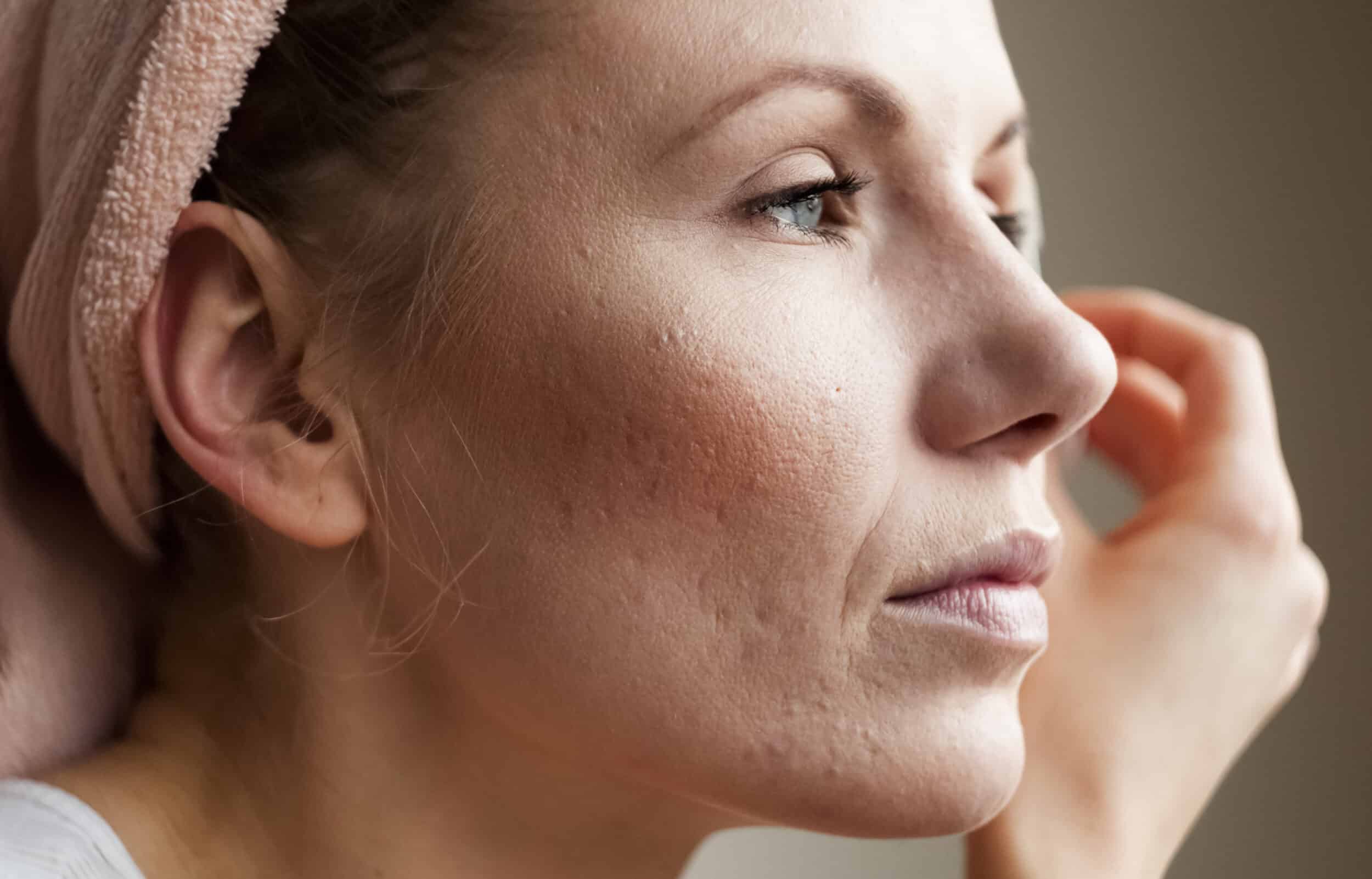
- Acne scars or post-inflammatory marks: Promotes more even skin texture over time
- Rough or flaky skin: Encourages smoother, softer skin through exfoliation
- Sun damage: Improves signs of long-term sun exposure, such as discoloration
Neova Chemical Peels
- NEOVA Professional Treatments are true to the hallmark of chemical peeling: exfoliation and an acidic pH to increase cell turnover of healthy cells. However, they do it differently. Their blended acid formulas have been refined, not so much to cause visible peeling but to saturate skin with ingredients that diminish lines, build collagen, and improve tone at the cellular level.
Using a milder superficial approach rather than an aggressive one with concentrated acid, the point of departure in NEOVA Professional Treatments is in the clever engineering of several acids at lower percentage concentrations in self-limiting peels – ones that are more predictable for maximum results, fewer side effects, and work where they count the most: at different cellular levels not typically penetrable.
Neova Infusion Peel AHA (30%) + Vitamin C
This gentle yet effective peel uses a 30% blend of glycolic, lactic, salicylic, mandelic, and ascorbic acids to resurface the skin. It helps reduce the appearance of fine lines and wrinkles, brightens dull areas, and promotes a more balanced, even skin tone.
The Neova Infusion Peel typically results in minimal flaking. It’s suitable for all skin tones and recommended for sensitive skin with a normal to dry skin type.
The Perfect 10 Peel
The Perfect 10 Peel is designed for a wide range of skin types and produces visible peeling and noticeable skin improvements. These in-office, medical-grade treatments are ideal for individuals seeking a reliable and effective chemical peel experience.
Each peel in the Perfect 10 line features a carefully balanced combination of ingredients that help minimize common signs of aging. The formulas also include antioxidants that help soothe the skin while enhancing the effects of the active exfoliating agents.
The Perfect 10 Peel is available in three strengths: Universal, Intermediate, and Advanced.
- Universal: Recommended for sensitive and first-time peel patients.
- Intermediate: Recommended for sensitive to normal skin.
- Advanced: Recommended for normal to tolerant skin.
Recovery After a Chemical Peel
The downtime following chemical peels varies, depending on the type of peel used and the skin type treated. There is usually some pinkness of the treated skin for several days, and – as the name implies – peeling of the skin follows. Peeling varies with the type of chemical peel.
Chemical peels are generally well-tolerated and enjoyed procedures. There may be some mild stinging experienced during the procedure, or a mild sunburn sensation may be noted following the treatment.
Our esthetician and registered nurse provide these treatments in a relaxed, quiet, caring, and gentle manner.
What Results Can You Expect After Chemical Peels?
After a chemical peel, you may notice benefits such as:
- Smoother, softer texture
- Improved skin tone
- Youthful, radiant look
- Diminished appearance of wrinkles, fine lines, and pore size
- Increased skin radiance and luminosity
- Reduction in the appearance of dark spots
- Unclogged pores
The Risks of Chemical Peels
As with other cosmetic procedures, chemical peels do have risks you need to be aware of. However, the risks are dependent on the type of peel you receive. There are common side effects, which include irritation, skin sensitivity, dryness, and flaking skin.
Rarely, more severe side effects can include:
- Changes in your skin’s pigmentation
- Increased risk of developing an infection
- Increased risk of scarring
- Experiencing an allergic reaction to the chemicals
Which Chemical Peel Is the Best to Treat Skin Conditions?
There is no objectively best option for chemical peels. It depends on your skin type, skin condition, and your aesthetic goals. It is important to consult a professional, so you have a better understanding of your skin and chemical peels as a whole.
What Are the Contraindications of Chemical Peels?
Chemical peels can be beneficial, but they are not for everyone. There are certain contraindications that can disqualify patients from being suitable candidates.
These contraindications include the following:
- You have an active infection
- You have unhealed wounds
- You are taking certain medications, such as Accutane or blood thinners
- You have an active skin condition, such as eczema or psoriasis
- You have unrealistic expectations
Our aesthetician or registered nurse will assess your skin as well as your medical history to see if you are an ideal candidate for chemical peels. If you are not, they can offer alternative treatment options.
Why Choose Farrell Laser & Aesthetic Medicine Center for Chemical Peels?
With decades of experience in Laser and Cosmetic Medicine, Dr. Deborah M. Farrell leads a practice known for personalized care. As a Fellow of the American Society of Laser Medicine and Surgery, Dr. Farrell brings deep clinical insight to every patient interaction, guiding treatment decisions with precision and compassion. She remains actively involved in each patient’s skincare journey, ensuring that your treatment plan aligns with your goals, skin type, and comfort level.
Chemical peels at Farrell Laser & Aesthetic Medicine Center are performed by our skilled esthetician and registered nurse, both of whom are trained in delivering safe treatments in a supportive setting. Whether you're new to chemical peels or looking to maintain results, you're in experienced, capable hands.
Frequently Asked Questions
How Long Does a Chemical Peel Appointment Take?
Most chemical peel appointments take between 30 and 60 minutes. The exact time depends on the type of peel being used and the areas being treated. Your provider will let you know what to expect based on your treatment plan.
Can I Wear Makeup After a Chemical Peel?
It’s best to avoid wearing makeup for at least 24 to 48 hours after a chemical peel. This gives your skin time to heal without irritation. Once any redness or sensitivity subsides, you can resume your normal makeup routine, ideally with non-comedogenic products.
How Should I Care for My Skin After a Chemical Peel?
After a chemical peel, keep your skin clean, moisturized, and protected from the sun. Avoid harsh exfoliants, active ingredients (like retinol or acids), and heat exposure. Your provider will give you specific aftercare instructions to help support healthy healing and maximize results.
Are Chemical Peels Safe for Mature Skin?
Yes, chemical peels can be very beneficial for mature skin. They help improve texture, reduce the appearance of fine lines, and support collagen renewal. Light to medium peels are commonly used to gently refresh aging skin without excessive downtime.
Is There a Best Time of Year to Get a Chemical Peel?
Many people choose to get chemical peels during the fall and winter months, when sun exposure is lower. However, peels can be done year-round as long as you use proper sun protection and follow post-treatment guidelines.
Will My Skin Actually Peel After Treatment?
Some chemical peels cause visible peeling or flaking, while others exfoliate on a more microscopic level. The amount of peeling depends on the type and strength of the peel used. Your provider will explain what to expect based on your selected treatment.
Experience the Benefits of Chemical Peels
A series of chemical peels can provide improved results. Experience our chemical peels and experience smoother, softer, rejuvenated skin!
If you are interested in receiving a chemical peel, Farrell Laser & Aesthetic Medicine Center is here to help. Contact us at 717-732-9000 to schedule a consultation and get started with chemical peels in Mechanicsburg, PA.